
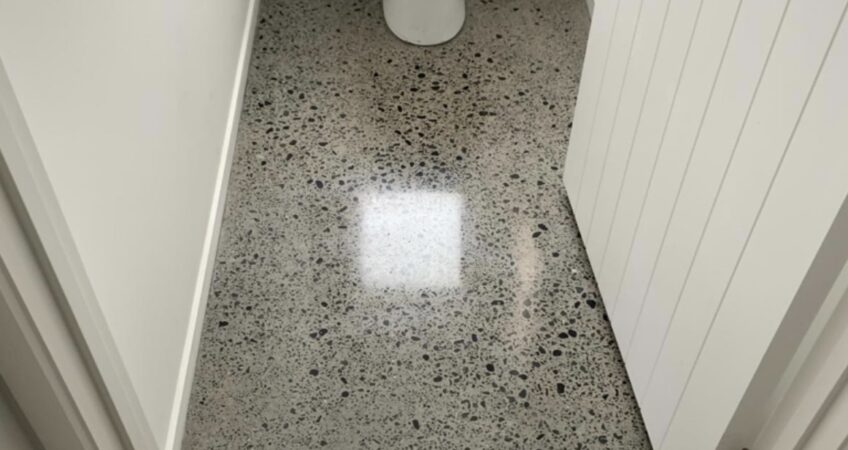
Yes, polished concrete bathroom floors can be a great idea for New Zealand homes. They look modern, handle daily wear well, and create a clean, seamless finish that suits everything from minimalist ensuites to busy family bathrooms.
However, there is an important catch. A polished concrete bathroom floor must be designed, prepared, finished, and sealed correctly. Bathrooms introduce water, steam, soap, and bare feet into the equation, so simply polishing an existing slab and hoping for the best is not a sound renovation strategy.
At NZ Grinders, we believe polished concrete can work brilliantly in a bathroom when the concrete is suitable and the project accounts for waterproofing, drainage, slip resistance, sealing, and maintenance.
Let’s take a closer look at the advantages, disadvantages, and practical details you should consider before choosing a polished concrete bathroom floor in New Zealand.
Are Polished Concrete Floors Suitable for Bathrooms?
Polished concrete floors are suitable for many bathrooms, including ensuites, powder rooms, family bathrooms, and some wet-room designs.
Concrete provides a solid and durable base, while professional grinding and polishing can transform an ordinary slab into a smooth, attractive floor. Depending on the desired result, the finished surface can range from a subtle matte appearance to a more reflective polished finish.
Still, a bathroom is different from a living room, retail shop, or hallway. Water may sit on the floor, particularly near showers, baths, and basins. Soap and shampoo can also make smooth surfaces slippery.
For that reason, the best polished concrete finish for a bathroom is not always the shiniest one. A lower-sheen or slip-conscious finish may provide a better balance between appearance and everyday practicality.
In other words, your bathroom floor does not need to resemble an ice-skating rink to look impressive.
What Are the Benefits of Polished Concrete Bathroom Floors?
A properly finished concrete bathroom floor offers several valuable advantages.
Polished Concrete Creates a Modern, Seamless Look
One of the biggest reasons homeowners choose polished concrete is its appearance.
Unlike tiles, concrete does not require a grid of grout lines across the floor. The result is a clean, continuous surface that can make a small bathroom feel more open and less cluttered.
Polished concrete also complements many interior styles, including:
- Contemporary bathrooms
- Industrial-style interiors
- Minimalist homes
- Coastal designs
- Modern farmhouse renovations
- High-end architectural builds
The natural variations in concrete give every floor its own character. Aggregate, colour changes, small marks, and tonal variations become part of the finished look rather than something that needs to be hidden.
Concrete Bathroom Floors Are Durable
Bathrooms experience more traffic than people often realise. Family members come and go all day, while water, cleaning products, dropped bottles, hairdryers, and the occasional airborne shampoo container all test the floor.
A correctly prepared and polished concrete floor can cope well with regular use. It does not contain tiles that can loosen or grout joints that can discolour over time.
However, concrete is not completely indestructible. Heavy impacts can chip the surface, and existing cracks may remain visible after polishing. These features should be assessed before work begins.
Polished Concrete Is Easy to Clean
A seamless concrete floor is generally straightforward to maintain.
Because it has no grout lines, there are fewer places for dirt, soap residue, and bathroom grime to collect. Regular sweeping or vacuuming, followed by damp mopping with an appropriate cleaner, will usually keep the floor looking tidy.
The sealer plays a major role here. A correctly selected and maintained concrete sealer helps protect the surface from moisture and staining while making routine cleaning easier.
Harsh chemicals and abrasive cleaning tools should be avoided unless the product supplier confirms that they are suitable. Concrete may look tough, but its protective finish still deserves better than an aggressive scrub with whatever mystery bottle lives under the sink.
Polished Concrete Works Well With Underfloor Heating
Concrete naturally feels cool, which can be welcome in summer but less exciting on a frosty New Zealand morning.
Fortunately, concrete works well with many underfloor heating systems because it stores and releases heat gradually. When heating is properly designed and installed, it can make a polished concrete bathroom floor much more comfortable underfoot.
Underfloor heating is easiest to plan during a new build or major renovation. Retrofitting it may involve additional work, floor-height changes, and coordination with the wider bathroom design.
Concrete Offers Plenty of Design Flexibility
Polished concrete does not have to look grey, cold, or heavily industrial.
The final appearance can vary depending on:
- The original concrete mix
- Aggregate exposure
- Grinding depth
- Surface repairs
- Colour treatments
- Sealer selection
- Gloss level
- Lighting within the bathroom
A light grind may reveal only a small amount of aggregate, while deeper grinding can expose more stone and create a more decorative finish.
Nevertheless, the existing slab largely determines the final character. Concrete polishing enhances what is already present; it does not turn every slab into an identical showroom floor.
What Are the Disadvantages of Polished Concrete in a Bathroom?
Although polished concrete has plenty going for it, it is not the perfect choice for every bathroom.
Polished Concrete Can Become Slippery When Wet
Slip resistance is one of the most important considerations for a polished concrete floor in a wet area.
Any hard flooring surface can become slippery when covered with water, soap, conditioner, or shampoo. A highly polished surface may create more concern than a matte or textured finish, particularly inside open showers and around baths.
The finishing system should therefore suit the expected level of water exposure. In some bathrooms, that may mean selecting a lower-gloss finish or incorporating a compatible slip-resistant treatment.
Bathmats can help in specific areas, but they should not replace good design and an appropriate floor finish.
Polished Concrete Is Not Automatically a Waterproofing System
A common misconception is that concrete must be waterproof because it is hard and solid. In reality, concrete can absorb moisture, and cracks, joints, penetrations, and connections between surfaces all need careful attention.
New Zealand Building Code Clause E3 requires wet-area surfaces to be impervious and easy to clean. Internal wet-area membrane systems may also form part of the compliance solution, depending on the bathroom design and the work being completed.
Therefore, polished concrete should not be treated as a substitute for professional waterproofing advice. The complete bathroom system must account for water splash, drainage, wall-to-floor junctions, shower areas, and penetrations.
A bathroom designer, builder, waterproofing specialist, or other suitably qualified professional should confirm the correct system for the project.
Concrete Can Feel Cold and Hard
Without underfloor heating, concrete may feel cold during winter.
It is also a hard surface. That makes it durable, but dropped glass containers are unlikely to enjoy the experience. Likewise, anyone who spends twenty minutes sitting on the bathroom floor supervising a toddler’s bath may begin reconsidering their interior-design decisions.
Rugs and mats can improve comfort outside wet zones, provided they do not create a trip hazard or trap moisture against the floor.
Existing Cracks May Remain Visible
Cracks are part of concrete’s natural behaviour. Some are minor and stable, while others may indicate movement that needs further assessment.
Grinding and polishing do not guarantee that cracks will disappear. Repairs may reduce their prominence, but repaired areas can still remain visible. In many polished concrete floors, those variations become part of the overall aesthetic.
Before polishing begins, the slab should be inspected for:
- Existing cracks
- Moisture concerns
- Surface contamination
- Previous coatings or adhesives
- Uneven sections
- Weak or damaged concrete
- Plumbing penetrations
- Falls toward drains
At NZ Grinders, we recommend assessing the actual slab before committing to a specific polished finish. A realistic conversation at the start usually prevents an awkward surprise once the grinding equipment reveals what has been hiding underneath.
Is Polished Concrete Slippery in a Bathroom?
Polished concrete can be slippery in a bathroom, particularly when the surface is highly reflective or contaminated with soap and water.
However, the term “polished concrete” covers several different finish levels. A satin or matte finish may behave differently from a high-gloss floor, while surface treatments and sealer choices can also influence grip.
Several factors affect bathroom floor safety:
- The level of polish
- The sealer or guard used
- Surface texture
- Floor slope
- Drainage
- Water exposure
- Cleaning products
- Soap residue
- Footwear or bare-foot use
The best approach is to discuss slip resistance before choosing the final appearance. Chasing maximum shine may not be sensible in a room where everyone regularly walks around with wet feet.
A practical bathroom floor should look good, but it also needs to let you reach the towel rail without performing an accidental interpretive dance.
Does a Polished Concrete Bathroom Floor Need Sealing?
Yes, a polished concrete bathroom floor normally requires an appropriate protective system.
Sealers and concrete guards help reduce liquid absorption, staining, and everyday wear. They can also make the surface easier to clean.
However, not every sealer is suitable for every bathroom. Some products may alter the colour, sheen, texture, or slip characteristics of the concrete. Others require periodic maintenance or reapplication.
The correct product depends on:
- The concrete condition
- The polishing method
- The amount of water exposure
- The desired appearance
- The expected traffic
- The cleaning routine
- The surrounding waterproofing system
The sealer should also be compatible with the overall bathroom design. Shower zones, floor wastes, joints, membranes, and wall junctions all need to work together.
Can You Use Polished Concrete Inside a Shower?
Polished concrete may be incorporated into some shower designs, but this requires more careful planning than using it elsewhere in the bathroom.
The shower area experiences frequent and direct water exposure. It also needs effective falls, drainage, waterproofing, detailing around penetrations, and an appropriate slip-resistant finish.
A highly polished shower floor is generally not the most practical choice. A honed, matte, or textured finish may provide a more suitable result, depending on the approved system and project design.
The Waterproofing Membrane Association’s code of practice applies to internal wet-area membrane systems and covers bathrooms, kitchens, laundries, and their substrates. This highlights that the visible floor finish is only one part of a complete wet-area system.
Any proposal for exposed concrete inside a shower should be reviewed by the relevant designer, waterproofing specialist, builder, and council where required.
Is Polished Concrete Better Than Bathroom Tiles?
Neither option is automatically better. The right choice depends on your home, budget, design preferences, and the condition of the concrete.
Polished concrete may suit you when:
- You want a seamless, contemporary finish
- The existing slab is suitable for polishing
- You dislike cleaning grout lines
- You appreciate natural variation
- You are planning underfloor heating
- You want a durable hard-flooring option
Bathroom tiles may suit you when:
- You want predictable colours and patterns
- The existing substrate is unsuitable for polishing
- You prefer a softer visual style
- You want access to established wet-area tile systems
- You need greater control over surface texture
- You do not want cracks or slab variations to remain visible
Tiles can also offer a wider selection of rated slip-resistant finishes. On the other hand, grout requires cleaning and may eventually need maintenance.
Polished concrete provides a seamless appearance, but it asks you to embrace the slab’s natural personality. Sometimes that personality is beautifully understated. Sometimes it arrives wearing aggregate and several historical crack repairs.
Is Polished Concrete Cheaper Than Tiling a Bathroom?
The cost of a polished concrete bathroom floor varies significantly.
Polishing may appear simple when an existing slab is already in place, but the final price depends on the amount of preparation required. Old adhesive, coatings, cracks, uneven areas, poor access, plumbing penetrations, and detailed edge work can all increase labour.
Bathroom floors are also relatively small. Although the total area may be limited, contractors still need to transport equipment, complete detailed work around walls and fixtures, manage dust, apply finishes, and coordinate with other trades.
Important cost factors include:
- Floor size
- Slab condition
- Required grinding depth
- Aggregate exposure
- Edge detailing
- Crack repairs
- Coating or adhesive removal
- Sealing system
- Site access
- Drain and plumbing details
- Waterproofing requirements
- Underfloor heating
The best way to compare polished concrete with tiles is to assess the complete installed system rather than looking only at a square-metre rate.
Can an Existing Bathroom Floor Be Polished?
Sometimes, but not every existing bathroom floor is a suitable candidate.
The first challenge is determining what sits beneath the current floor covering. Once tiles, vinyl, or another finish is removed, the slab may contain:
- Tile adhesive
- Levelling compound
- Waterproofing materials
- Stains
- Trenches from plumbing work
- Patches
- Cracks
- Surface damage
- Different concrete pours
Mechanical grinding can remove many surface materials, but deeper repairs and inconsistent concrete may remain visible after polishing.
There must also be enough floor height and suitable drainage geometry for the intended bathroom design. Grinding can alter the surface, but it cannot magically correct every fall, waterproofing detail, or plumbing issue.
A site assessment helps establish whether polishing is realistic and what kind of finish you can expect.
How Do You Maintain Polished Concrete Bathroom Floors?
Maintenance is generally straightforward, provided the floor has the correct protective finish.
For routine care:
- Remove grit, hair, and loose dirt regularly.
- Damp mop using a suitable pH-neutral cleaner.
- Wipe up standing water and spills.
- Avoid abrasive pads unless approved for the finish.
- Avoid harsh acidic or alkaline chemicals.
- Follow the sealer manufacturer’s maintenance guidance.
- Arrange resealing or maintenance treatments when required.
Soap residue deserves particular attention because it can make the surface slippery. Good ventilation also helps the bathroom dry more effectively and reduces persistent moisture.
New Zealand’s internal-moisture requirements address wet-area surfaces and ventilation as part of maintaining healthy, safe buildings.
How Long Does a Polished Concrete Bathroom Floor Last?
A professionally prepared concrete floor can provide a long service life, but performance depends on the complete system.
The slab condition, waterproofing design, grinding process, finish level, sealer, cleaning products, and maintenance routine all affect durability.
The surface may also develop signs of use over time. Depending on the finish, this could include reduced sheen, light scratching, marks, or wear in frequently used areas. Periodic maintenance can help refresh the appearance and protective layer.
A polished concrete floor should be viewed as a durable finish rather than a maintenance-free one. Unfortunately, nobody has invented a bathroom surface that cleans, reseals, and compliments your renovation choices by itself.
Who Should Install a Polished Concrete Bathroom Floor?
Bathroom polishing should involve experienced concrete professionals and coordination with the other trades responsible for the wet-area system.
A successful project may involve:
- A bathroom designer
- A builder
- A plumber or drainlayer
- A waterproofing specialist
- An electrician for underfloor heating
- A concrete grinding and polishing contractor
- The relevant council or building consent authority
All building work in New Zealand must comply with the Building Code, even where a particular alteration does not require building consent. MBIE recommends checking consent requirements and obtaining professional guidance where needed.
The concrete polishing contractor should understand the intended use of the room, not just the desired gloss level. Bathroom floors need careful edge work, dust management, product compatibility, and realistic expectations about the existing slab.
So, Are Polished Concrete Bathroom Floors a Good Idea?
Yes, polished concrete bathroom floors are a good idea when the slab is suitable and the entire wet-area system is designed properly.
They offer a modern appearance, impressive durability, simple cleaning, and excellent compatibility with underfloor heating. They can also make a bathroom feel larger by removing visual breaks and grout lines.
However, polished concrete is not automatically waterproof, slip-proof, warm, or free from maintenance. The best results come from careful planning around:
- Waterproofing
- Slip resistance
- Drainage and falls
- Concrete condition
- Sealing
- Underfloor heating
- Cleaning and maintenance
- Building Code compliance
Before making a final decision, have the slab assessed and involve the appropriate bathroom and waterproofing professionals. That way, you can enjoy the appearance of polished concrete without discovering later that your beautiful bathroom floor came with an unwanted indoor paddling pool.
Talk to NZ Grinders About Your Bathroom Floor
Are you considering a polished concrete bathroom floor in New Zealand?
The team at NZ Grinders can assess your concrete, discuss achievable finishes, and help you understand the grinding and polishing work your project may require.
For North Island projects, call Glen on 021 434 199.
For South Island projects, call Mike on 027 755 6672
You can also contact Ian, our sales manager, through the NZ Grinders contact page.
Let’s find out whether your bathroom slab is ready to become the best-looking floor in the house.